How to Get Your Home Ready for Winter

When winter arrives in Scotland, it rarely takes its time. One week, you’re enjoying a crisp autumn day, and the next, you’re reaching for the thermostat. Preparing your home for colder weather might not sound exciting, but it can save you money, prevent problems, and make your space feel much more comfortable.
From checking your insulation to upgrading your windows and doors, a bit of early preparation goes a long way.
At Vantage Windows & Doors, we work with homeowners across Glasgow and the west of Scotland who want to improve their home’s energy efficiency.
Many of the steps that keep the cold out also reduce your carbon footprint and protect your property from moisture and damp. If you’re wondering how to get started, here’s a practical checklist to make sure your home is ready before winter truly sets in.
Step 1: Check for Heat Loss Around Your Windows and Doors
Windows and doors are among the largest sources of heat loss. Even small gaps or broken seals can make your home harder to heat. According to the Energy Saving Trust, upgrading from single glazing to A-rated double glazing can save a typical household around £140 a year. That figure rises even higher for detached homes.
Start by running your hand around the edges of your window frames to feel for cold air. If you notice draughts, or if your windows fog up between the panes, the seals may have failed.
Older doors can also become less airtight over time, letting warmth escape around the edges.
Our double-glazing windows in Glasgow are built to withstand Scotland’s unpredictable weather while keeping warmth inside. Replacing older windows and doors can transform both comfort and energy performance.
Step 2: Seal Draughts and Improve Insulation
Once you’ve found where cold air is getting in, it’s time to seal it up. Self-adhesive draught-proof strips, silicone sealant, or rubber weatherstripping can help stop heat escaping through tiny gaps.
For doors, a brush strip or draught excluder fitted along the bottom can make a surprising difference.
If your current doors are old or warped, upgrading to a modern composite door or uPVC door will instantly improve insulation. Newer models are built to keep warm air in and cold air out, with insulated cores and high-quality seals.
You can explore our doors in Glasgow for a range of options that combine warmth, style, and security.
Step 3: Prepare Your Roof, Gutters and Exterior
Scottish winters bring plenty of rain, wind, and sometimes snow, so keeping your roof and gutters clear is essential. Clogged gutters can cause rainwater to overflow, leading to damp patches on walls and ceilings.
Before winter, remove any leaves, moss, or debris from the gutters and check that downpipes are draining properly.
While you’re outside, look for missing roof tiles or loose flashing, and trim back overhanging branches that could cause damage in a storm. A quick inspection now can help you avoid costly repairs later.
Keeping your property’s exterior in good condition also helps protect your windows and doors from leaks or water damage.
Step 4: Insulate Pipes and Heating Systems
Burst pipes are one of the most common and expensive winter problems. Luckily, they’re also one of the easiest to prevent. Lag any exposed pipes with foam insulation sleeves, and if your hot water tank isn’t already insulated, fit a jacket to reduce heat loss.
It’s also worth booking a boiler service before temperatures drop. A well-maintained boiler runs more efficiently and reduces the risk of a breakdown in the middle of winter.
Bleed your radiators to remove trapped air and check that thermostats and timers are working correctly. Efficient heating systems work best when paired with high-quality insulation and energy-efficient glazing
Step 5: Manage Condensation and Ventilation

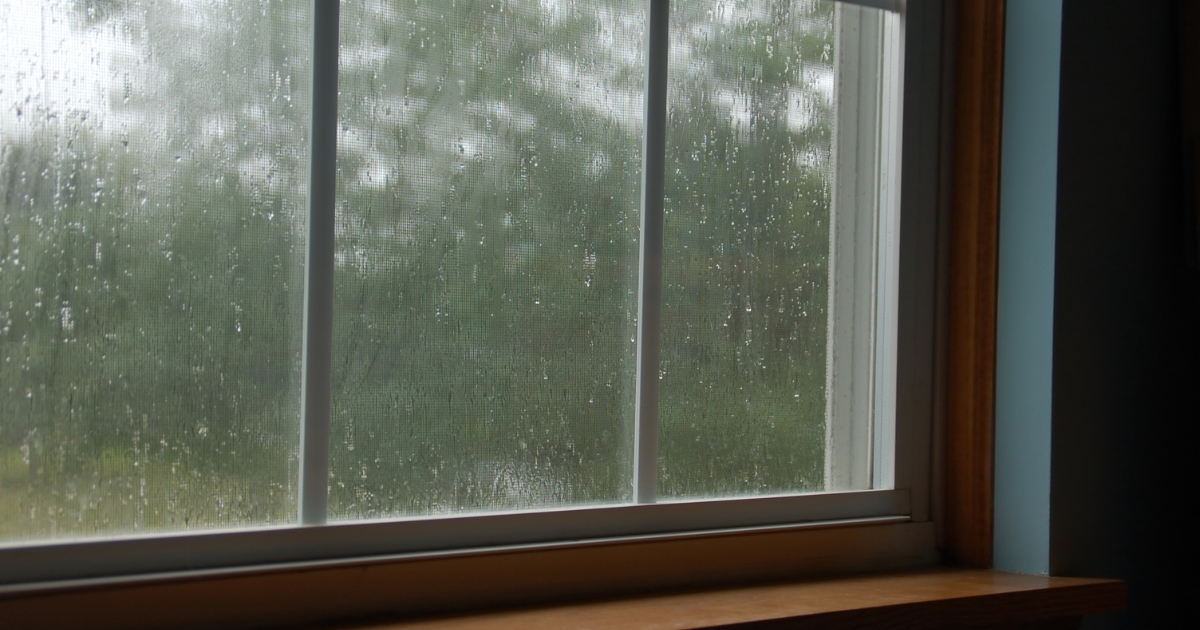
During the colder months, condensation can quickly become a problem, especially in older homes. Moisture builds up when warm air meets cold surfaces, and over time, it can lead to damp and mould.
Make sure extractor fans are working properly in kitchens and bathrooms, and open windows briefly each day to let moist air escape.
Modern double glazing helps reduce condensation by keeping glass surfaces warmer and creating a better barrier between the inside and outside. It’s also a good idea to keep furniture slightly away from exterior walls to allow air to circulate.
Managing ventilation is about finding the right balance between keeping your home warm and allowing airflow to prevent moisture.
Step 6: Consider Upgrading to Energy-Efficient Windows or Doors
If your home still feels cold and draughty after sealing the gaps, it might be time to consider an upgrade. Older windows and doors often have thin glass, poor seals, and limited insulation. According to a survey by Legal & General, the majority of surveyors agree that double glazing is the most effective energy-saving improvement homeowners can make.
New A-rated windows can reduce heat loss by up to half compared to single glazing. They also reduce outside noise and enhance overall comfort. The same is true for doors; modern insulated doors are designed to perform well in Scotland’s variable climate.
Step 7: Make Small Daily Changes
These small daily habits can help you keep the heat in without increasing your bills:
- Close curtains at dusk and open them during daylight hours
- Fit thermal blinds or heavy-lined curtains to trap heat
- Keep doors closed between rooms to reduce heat loss
- Move furniture away from radiators so heat can circulate
- Use a smart thermostat to control heating more efficiently
- Monitor indoor humidity to avoid condensation
These simple adjustments, when combined with well-sealed windows and doors, can have a noticeable effect on both comfort and energy costs.
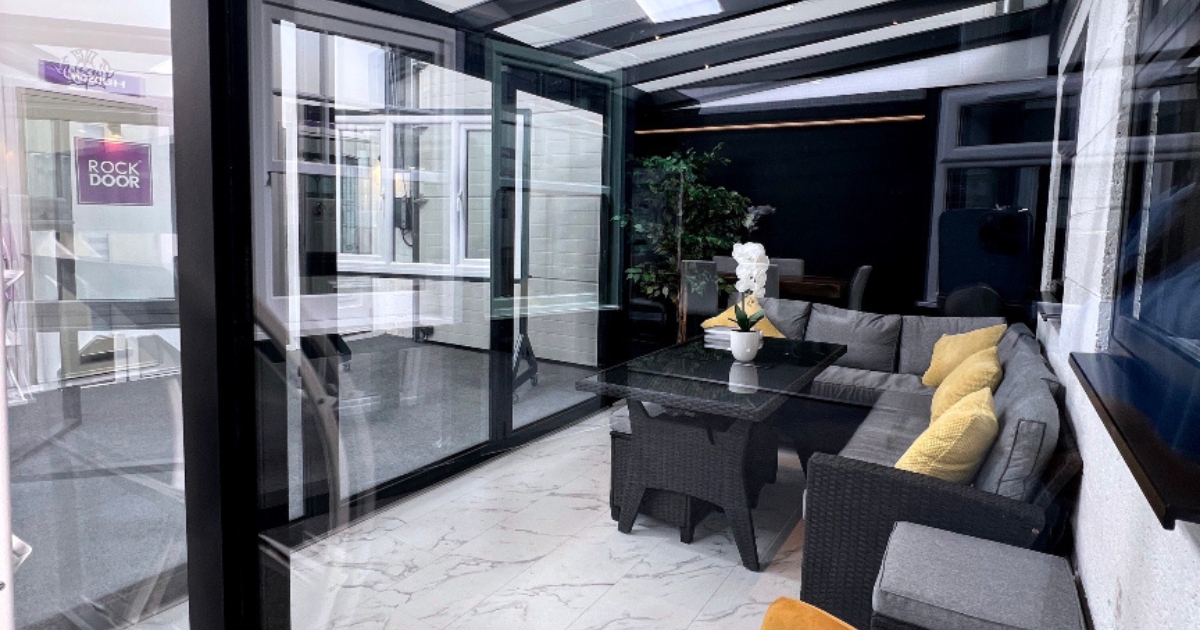
Step 8: Keep Your Glass Room Comfortable Year-Round
A glass room or conservatory doesn’t have to go unused during winter. With good glazing and the right fittings, it can stay warm and inviting all year round.
Check for any gaps in the frames, ensure the roof panels are secure, and consider using blinds or curtains to retain heat.
Portable heaters can also make these spaces more comfortable on colder days.
Our glass rooms are built with energy-efficient glass and high-quality seals, meaning you can enjoy your space even when the weather outside is less welcoming.
Step 9: Benefits of Preparing Early
Getting ahead of winter preparation doesn’t just make your home more comfortable; it also saves you money and helps the environment. According to the Energy Saving Trust, improving your windows and doors can save up to £235 a year on energy bills for detached homes. Well-insulated houses use less energy, which means fewer carbon emissions.
A warm, efficient home is also healthier. Reducing condensation lowers the risk of mould growth, which can affect air quality. On top of that, homes with good energy ratings are more attractive to buyers, so investing in quality glazing can increase property value in the long term.
Step 10: Arrange a Professional Home Energy Check
If you’re unsure where your home is losing heat, a professional survey can give you clear answers. At Vantage Windows & Doors, we can assess your windows and doors, identify weak spots, and recommend the best ways to improve energy efficiency.
Our friendly team covers Glasgow, Paisley, Ayrshire, Stirling, and the rest of Scotland.
Getting a quote before winter arrives means we can help you make changes that will have an immediate impact on comfort and energy use. Contact us today to arrange a visit or request a free, no-obligation quote.
FAQs
Q. How often should I check seals on my windows and doors?
A. It’s a good idea to inspect them at least twice a year, ideally in spring and autumn. The changes in temperature between seasons can cause materials to expand and contract, which can wear down seals over time. If you notice draughts, condensation, or stiff handles, it’s worth booking an inspection to see if a replacement or repair is needed.
Q. Can I upgrade just one or two windows instead of replacing them all?
A. Yes, you can. Many homeowners start with the rooms they use most, such as the living room or bedroom, and upgrade others later. Prioritising north-facing or particularly cold areas first will usually give you the biggest improvement. Over time, upgrading all your windows ensures consistent comfort and energy savings throughout the house.
Q. How much could I save on bills with new double glazing?
A. Savings depend on your property type, energy use, and the condition of your current windows. The Energy Saving Trust estimates that most Scottish homes could save between £140 and £235 a year by upgrading to modern A-rated double glazing. Beyond the savings, you’ll also notice fewer draughts, less condensation, and a more consistent indoor temperature.
Q. Do new doors really help with energy efficiency?
A. Absolutely. External doors can be a major source of heat loss, especially older wooden ones that have warped or lost their seal. Modern composite and uPVC doors are designed with insulated cores and weatherproof seals that keep your home warmer and reduce energy waste. They can also enhance security and improve the overall appearance of your property.
Q. Do you cover areas outside Glasgow?
A. Yes, we work across the west of Scotland, including Paisley, Ayrshire, Stirling, and surrounding towns. Our team can visit your home to provide tailored recommendations and a free quote for windows, doors, or glass rooms.
Getting your home ready for winter doesn’t need to be difficult. With a few small steps and the right upgrades, you can enjoy a warm, efficient, and comfortable home throughout the entire season. Contact Vantage Windows & Doors today to find out how we can help make that happen.
Categories: Composite Doors, Double Glazing Glasgow, Updates, uPVC Casement Windows Glasgow